

IRS Tax Problems

Once the IRS contacts you regarding your unfiled tax returns (i.e. back tax returns), it is not time to panic. In most instances the problems incurred by taxpayers who fail to file their tax returns can be resolved successfully by Michael Salomon CPA. On the other hand, if the taxpayer fails to file their back tax returns and takes no voluntary steps to remedy the issue, the penalties for noncompliance can be very severe. In some cases, a taxpayer may even be subject to criminal tax prosecution for failure to file his or her tax returns when a tax is owed.
"Mike helped me with an IRS issue which needed to be appealed to tax court. He helped me every step of the way and explained what needed to be done. Mike's advice was right on the money and the IRS found in my favor. I highly recommend Mike." – Lisa L.
The IRS typically is not going to come to your home, seize all of your assets, or garnish your wages as long as you take immediate action and file accurate tax returns within the time the IRS specifies. You should always file all of your tax returns on time, even if you do not think you have the ability to pay the tax owed.
Tax installment agreements
What is an IRS tax payment plan or IRS installment agreement?
An IRS tax installment agreement is a way to satisfy your tax debt once all your tax returns have been filed and the final tax liability has been determined. If you are not financially capable of paying the tax owed in full at this time, then an IRS tax payment plan is the right option for you. After thoroughly reviewing and discussing your financial accounts and understanding your finances in detail, we will then negotiate on your behalf to obtain an affordable payment plan.
The IRS tax payment plan negotiation is a very detailed process, since the tax authorities have the right to question any part of the documentation submitted. Negotiation of an IRS installment agreement requires substantial knowledge about IRS rules and regulations. The determination of the minimum monthly installment payment that will be acceptable to the government depends upon the application of specific IRS income and expense standards to the actual facts of the case. These regulations and guidelines include IRS local and national standards for allowable expenses that the IRS Revenue Officers will use to evaluate your installment offer and proposed IRS tax installment agreement proposal.
Audits and tax investigations
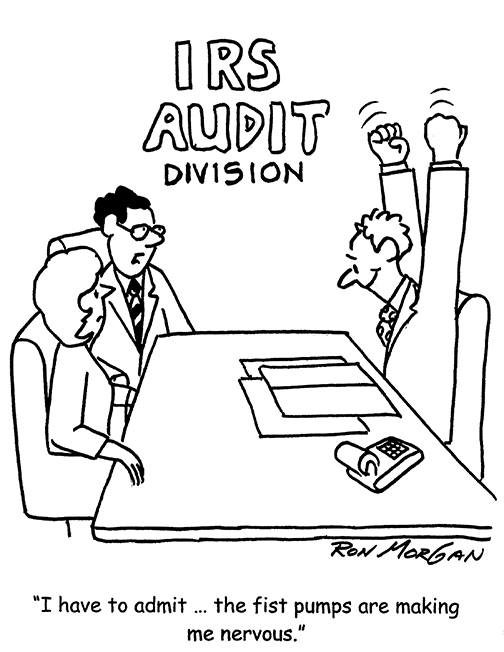
When the government conducts a tax audit, it is represented by a team of well-trained tax specialists, tax audit examiners, CPAs, and their own tax attorneys. If your tax return is selected for a tax audit, you need to take immediate action to level the playing field with your own tax expert.
Types of tax audits
IRS audits generally fall into one of the following three categories:
- Office audit at a local IRS field office. The office audit is a meeting set up with the IRS, and the IRS requests specific documents that you should bring with you to the meeting.
- Correspondence audit, where the IRS sends written questions. This type of tax audit is done by mail. Typically, the IRS will ask you to mail to them certain documentation supporting various items that you filed on your tax return.
- At-home or at-business tax audit. This occurs when you receive a letter from the IRS, and they request to have a meeting at your home or business office to conduct a tax audit. These are typically the most serious types of tax audits.
Typically, the tax audit process begins when you receive a letter stating that your tax return has been selected for a tax audit examination. This does not mean that the IRS is accusing you of cheating on your tax return, or engaging in any other wrongdoing of any kind. However, the overall goal of the IRS audit process is to increase tax compliance and revenue collected by the US Treasury Department. The moment you receive notice of an examination is the right moment to seek tax counsel to protect your rights as a taxpayer to lawfully pay as little tax as possible.
What happens if you disagree with the audit finding?
The IRS has an appeals system for taxpayers who do not agree with the results of a tax examination of their tax returns, or with other adjustments to their tax liability.
The IRS will send a report and/or letter that will explain the proposed adjustments that they wish to make. The IRS letter will also tell you of your legal right to request a review conference with an Appeals Officer, as well as how to make such a request for a conference. In addition to tax examinations, many other things can be appealed such as penalties, interest, trust fund recovery penalties, offers in compromise, tax liens, and tax levies. If you request a Tax Appeals conference, be prepared with records and documentation to support your position, which we will help you compile.
Release of tax liens and levies
The Internal Revenue Service acts quickly on delinquent taxpayers once they determine that you owe an unpaid tax. The IRS has expanded the number of agents (called Revenue Officers) it employs to collect taxes that have not been paid from individuals and businesses. It also has improved its efficiency in seeking out delinquent taxpayers. Once you fail to pay your tax liability when it is due, the IRS will send a letter to you demanding that you make an immediate payment of the tax liability. At this point, you have several choices. You can either make the payment in full, set up a tax installment agreement, apply for an offer in compromise, apply for noncollectable status, or in some cases, the liability can be reduced or dismissed if it is incorrect.
If you do not voluntarily comply with the request for payment, the IRS is required to collect the amount due from you through an enforcement action. This can be done by filing a Notice of Federal Tax Lien, or serving a tax levy on your bank account or wages.
Notice of Federal Tax Lien
A Notice of Federal Tax Lien is filed in order to give the government first priority against any other creditors or purchasers of your property. This action has the ability to have a significant negative effect on your credit score.
Tax liens give the IRS a legal claim against your property as security or payment for your tax debt. A Notice of Federal Tax Lien may be filed only after:
- The IRS assessed the tax liability;
- The IRS sends the taxpayer a Notice and Demand for Payment – an invoice bill that tells you how much you owe in taxes; and,
- You neglect or refuse to fully pay the tax debt owed within 10 days after the IRS notifies you about it.
Once these requirements are met, a tax lien is filed for the amount of your tax debt owed. By filing notice of this lien, the taxpayer's other creditors are publicly put on notice that the IRS has a claim against all your property, including any property you acquire after the lien has been filed, for the unpaid debt. The tax lien attaches to all your property (such as your house or car), and to all your rights to property (such as your accounts receivable, if you are a business), until there is either a tax lien removal by it being released or withdrawn.
If you have received a Notice of Intent to Levy or Notice of Filing of Federal Tax Lien, you should immediately contact us to protect your rights and get assistance with tax lien removal.
Payroll taxes
Commonly referred to as "payroll taxes", they are the portion of Medicare and Social Security taxes that are withheld from the employees' wages, along with a contribution of similar taxes by the employer.
Along with the payment of payroll taxes, employers are required to file with the IRS an Employer's Quarterly Federal Tax Return, commonly referred to as a "941 tax return," and an Employer's Federal Unemployment (FUTA) Tax Return within strictly specified time deadlines. The same general payroll tax payments and tax return filing requirements apply to all active employers with employees, whether they operate in corporate, limited liability company, partnership or sole proprietorship forms.
The IRS views the failure to properly pay over collected payroll taxes as a serious violation of the law. If a business fails to pay its payroll tax obligations, the IRS is authorized to collect the payroll tax due, plus additional substantial penalties and interest, related to the underpayment of the tax. The IRS employs Revenue Officers who concentrate in the collection of these types of tax liabilities. The IRS Revenue Officers aggressively pursue collection of unpaid payroll taxes directly from the business and in some cases from the company's officers, owners, directors, and other responsible individuals. In many cases the IRS also tries to impose a Trust Fund Recovery Penalty when the payroll taxes are not paid timely. In certain cases, the IRS may also recommend criminal prosecution of responsible individuals that intentionally fail to file their payroll tax returns, or pay the associated payroll tax liabilities owed.
Our firm is experienced in defending various business entities and individuals against forcible collection action against their accounts related to unpaid payroll taxes. We also have extensive experience in assisting clients with establishing affordable tax payment plans to get them back on track with the IRS, and avoiding the Trust Fund Recovery Penalty.
If you have an IRS tax problem, call us immediately at (520) 589-7000 or contact us here.